The main job of a solar panel holder system is hold up panels and safe move outside stuff—like wind, snow, and shake power—to the base thing. As sun power making get to same price time, the cost of holder systems now take 10% to 21% of all money in a sun project. So, making solar module mounting system light is a big way to cut build costs and make build work faster.
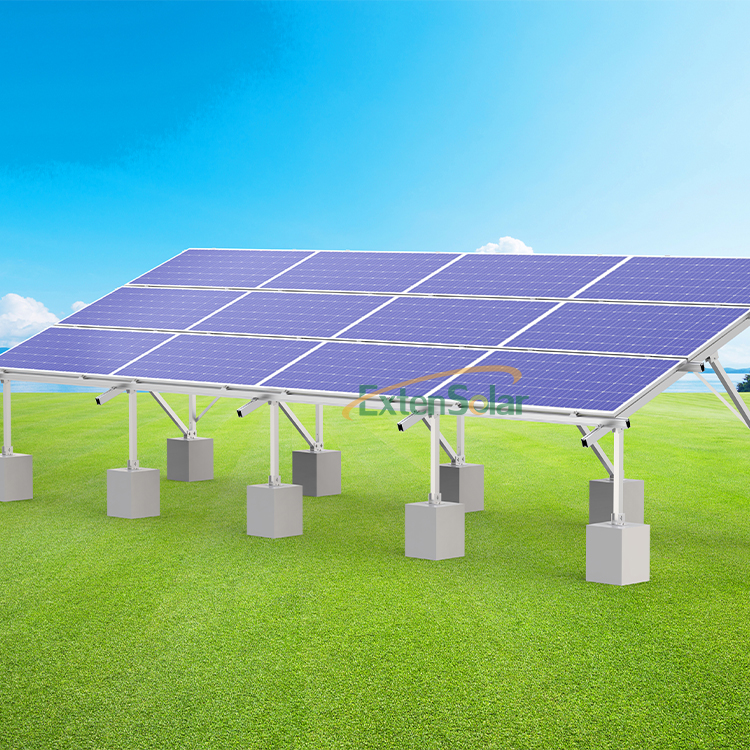
I. Comparison of Common Materials Old times, most solar module mounting system use hot-dip zinc Q235B steel. This stuff have yield strength about 235 MPa. For meet load needs, engineers often must pick thicker steel parts. Also, the hot-dip zinc process bring some green worries.
In recent times, high-strength steel with zinc-aluminum-magnesium (ZAM) coats get used a lot. This stuff make a fix-itself layer at cut edges, give real good rust stop. Its yield strength can go to 350 MPa, 420 MPa, or even 550 MPa, but cost just a little more than old steel.
In 2025, China's Ansteel Group put out world first super-strong rare-earth hot-stamped steel that don't rust, called PHS1500A. It have pull strength of 1,500 MPa, this stuff let structure weight cut by about 40%. Also, it need less old galvanizing ways, fix three long-time problems with solar panel mounts: rust, too heavy, and big carbon output.
Aluminum mix have low weight and good stop rust, but their stuff cost is pretty high. Stainless steel and weather steel each got their own problems; their bad cost-goodness stop them from big use in large works.
II. Primary Technical Pathways for Weight ReductionPathway 1: Increasing Material Strength Grades
This is now the quickest way to drop weight. Take a roof sun power job on a factory building: engineers swapped old 2.0 mm thick Q235B steel for 1.5 mm thick S550 zinc-aluminum-magnesium strong steel. The test showed the roof bars bend still okay with rules, but steel use went down near 24% and total cost fell about 13%. In general, for each one step up in material strength class, the piece thickness can go down 10% to 15% under same load.
Second Approach: Structural Topology Optimization
This way not change the kind of stuff but move around where the stuff sits in space. Look shows that beam thick is the most touchy thing that change how the whole solar module mounting system works. With the world surface way, makers can do feel checks on many different design things of the solar module mounting system to find the best mix of numbers. In one real case, this way cut the whole weight of the solar module mounting system by 30.78%. For sun-tracking power solar module mounting system, makers use change-density top way mixed with many-island gene math to make beam cross sizes better, get big weight cut while making sure push and shape stay inside set limits.
The Third Approach: Modular Design
Modular design put big focus on parts same and factory build before. This way cut down connectors number, make load move path short, and take out no need structure parts. Also, modular design more good for auto make and fast put together at place.
III. Design Verification and Load Combinations Any light weight fix must go through big check on strongness. Use normal building check tools like YJK or PKPM for whole weight hold test. For small part joint look, use ABAQUS force math tool. For fast bend check on simple or long beam, a math solver can be used.
Load combos must think at same time about these load types: parts and supports own weight (dead load); plus and minus wind loads; snow loads; and a 1-kilonewton build load put at worst spot in the span.
IV. Future Research Directions
For new stuff, super strong steel at 1,500 MPa need more check from real building jobs. Fiber mix materials and cheap aluminum kinds also need keep watch. For smart fix, fast way to set numbers using machine learn, and moving shape fix that think about wind shake, show new study ways. For life check, researchers should count carbon marks of frames from different stuff and see how light weight change put-up work cost. For special use cases, big span bend frames, float frames on water, and build-in sun power (BIPV) systems each have own light weight tech problems.
V. Conclusion
The light build of solar module mounting system now move from old, feel-based ways to science-driven smart ways. With material better and structure fix together, weight cut 12% to 40% already done. New stuff like 1500 MPa super strong steel slowly come into work use, the goals of "more light, more strong, less carbon" are step by step get real.


