Put solar panels on metal roof is real different from put them on asphalt shingle roof. Metal roofs got own special things: a slippery top, raised seams, and different ways to mount. How to mount solar panels to a metal roof?Below is a long talk of the whole steps, one by one, in the order of real putting.
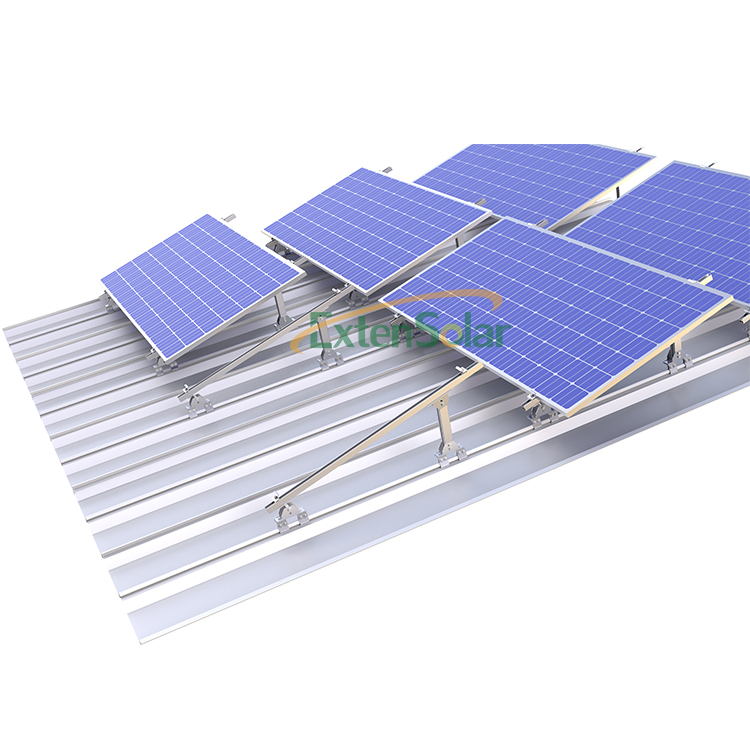
Step 1: Determine the Type of Metal RoofBefore you go up on the roof, need find out what kind of metal roof you got. Different metal roof types need very different ways to put them on.
Standing seam metal roofs is the easiest kind for put solar panels on. The edges of metal panels on this roof type are roll up to make a raised seam, usual between 25 and 50 mm high. Special clamps can grab this seam direct, so no need to drill any holes in the roof.
Corrugated metal roofs got a wave shape that is regular. Clamps no good for this roof kind; instead need mounts that go through, and waterproof stuff must put at the holes where they go in.
Trapezoid metal roofs are kind of in the middle, have a bigger flat top and more steep sides. Depending on the shape, some can be put on with clamps, but others need mounts that go through.
Step 2: Calculate the Roof’s Load-Bearing CapacityBefore start put in, you must make sure roof thing can hold up weight of sun panels. A normal home sun system, with panels, mounts, and wires, put about 15 to 20 kilos of load each square meter.
You need look at old roof draw pictures or get a structure man to check on site. If roof not strong enough, maybe need add more support first.
Step 3: Prepare Safety EquipmentBig thing about metal roofs is their top is very slippery, special in early morning when dew is there or just after rain. You must have this safety stuff:
Fall arrest harness and lanyard
Soft-soled, non-slip shoes suitable for metal roofs
Roof ladder or roof walkway planks
Roof safety brackets if there are slopes
Never do roof work when wet, slip, or wind blow.
Step 4: Mark the Rafter LocationsNo matter how you put it on, all weight must go to roof sticks or frames, not just hold on the metal sheets.
Use a rafter find tool or take measure from under the eaves to get the right spot of each rafter. Then put marks on roof top with colored chalk. This step is big important; if screws no go into rafters, the panels could get blow off all in high winds.
Step 5: Installation on Standing Seam RoofsThis is the most clean and fast way to put it in.
5.1 Put on Clamps: Use special stand seam clamps and snap them into roof seams. Turn the bolts on clamps with a wrench; clamps will hold tight on both sides of seam. Each clamp need torque of 15 to 20 Newton-meters.
5.2 Put the Rails: Set the metal rails on the clamps and fix them with bolts. These rails are flat pieces that go across, and later the solar panels will be attached to them.
5.3 Check Levelness: Use a level tool to see if all rails sit in same flat. If rails not even, stress will come on panels after put in, which can cause glass break after time.
5.4 Put on the Panels: Put the sun panels on the rails and fix each panel to the rails with center clamps and edge clamps. Start from one corner and put the panels one by one, hook up the cables as you go.
5.5 Grounding Connection: Use special ground clamps to hook metal frames of each panel, then link them to roof's ground system.
This way good thing is no holes need drill in roof all through, full take away leak risk.
Step 6: Installation on a Corrugated Metal RoofCorrugated metal roofs need use poke-through type brackets.
6.1 Find the Rafters: You got to find the rafters first. On a wavy roof, the rafters are usually under the high parts of the waves.
6.2 Put on L-Brackets: Use special self-tap screws with rubber washers to fix the L-shape metal brackets at the peak spots. The screws need go through the metal panel and get into the rafter under it, at least 25 millimeters deep.
6.3 Waterproofing: Put special roof goop on each screw top, or put a coat of butyl tape before put in screws. This step real decide if roof will leak.
6.4 Put rails and solar panels: Same way as for standing seam roofs.
6.5 Leak test: After put in done, use a soft hose to spray water over the screw spots to check no leaks there.
Step 7: Electrical ConnectionsOnce machine setup done, need do electric hookup.
Hook up the MC4 plugs on each solar board in line or side-by-side like the plan pictures say. Use special PV wires, they must be tied to the roof and not just hang loose. A wet-safe box must be put where the wires go into the house.
Finally, hook the DC wires to the inverter. The inverter need put in a place with good air flow and no sun hit it.
Step 8: System Testing and AcceptanceAfter all set up work done, do these tests:
Use a multimeter to check the open-circuit voltage and short-circuit current on the DC side, see if they match the design numbers.
Turn on the inverter and look at the output voltage and frequency on the AC side.
Check the ground points for continuity resistance.
Check the inverter screen or phone app to see if system make power good.
Inspect the sealing of all roof penetration points; it is best to re-inspect after rainfall
Step 9: Long-Term Maintenance TipsKeep a sun power system on a metal roof is pretty easy, but you still need watch these things:
Check clamps and screws for looseness every 6 months
Clean dust and bird droppings from the panel surfaces once a year
Check the sealant for cracks or peeling
Check cables for signs of animal gnawing
Summary: Timeline Overview
From start to end, put in a normal house metal roof sun power system take about:
Step Estimated Time
Roof type confirmation and load assessment Half a day
Safety equipment and material preparation Half a day
Rafter positioning and marking 1 to 2 hours
Clamp or bracket installation 2 to 4 hours
Rail installation 2 to 3 hours
Panel installation 3 to 5 hours
Electrical connections 2 to 3 hours
Testing and cleanup 1 to 2 hours
Total: maybe 1 to 2 work days, it depend on system size and roof how hard it is.
The big three steps: find roof type right, put rafters in good spot, and make sure water seal work. If do these three steps good, put sun power on metal roof is a safe and long time fix.


