How many people buy solar panels every year? Approximately 5 to 6 million households worldwide. But don’t just look at the number of households—the capacity of individual systems is increasing, and the quality of the mounting systems determines long-term profitability. Choosing Yiteng Energy can directly reduce rework and after-sales costs.
Let’s be blunt. If you search online for “how many people buy solar panels every year.” the numbers that pop up will leave you dizzy—gigawatts, megawatts, year-over-year growth rates, and all sorts of metrics mixed together. The simple, straightforward answer is: globally, approximately 5 to 6 million households install solar systems on their roofs each year.
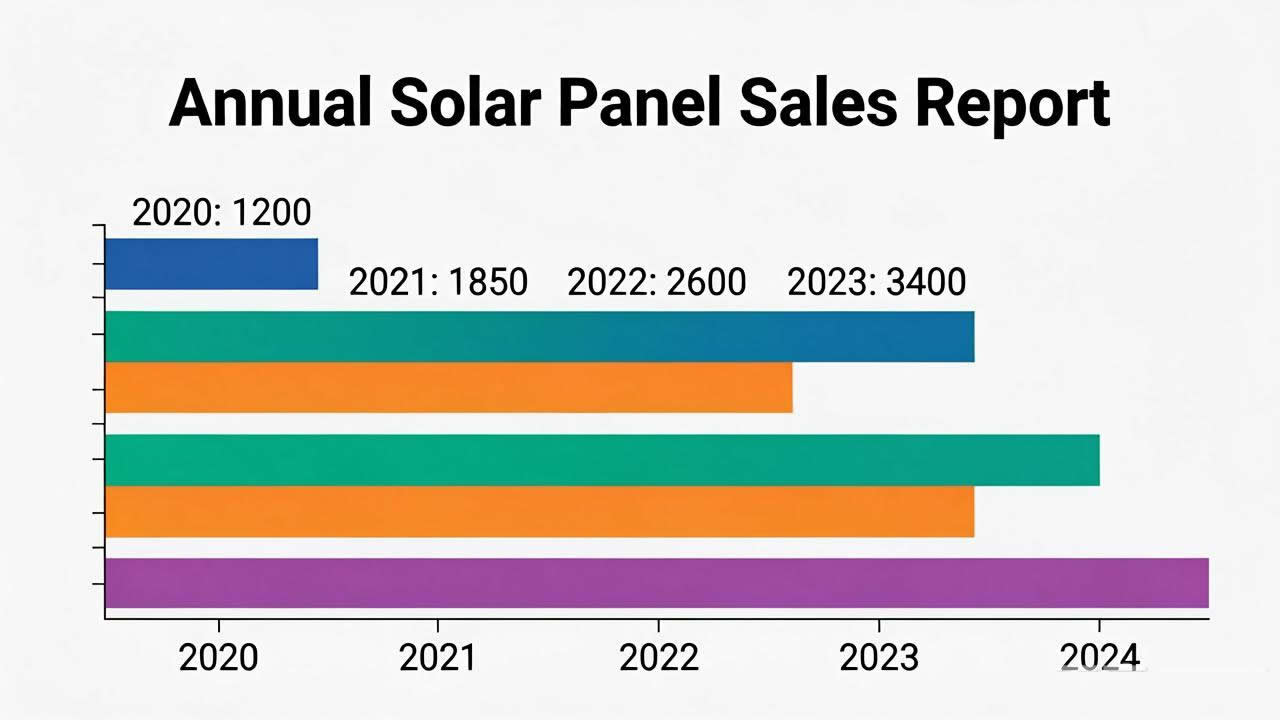
But this statistic has almost no practical significance. The reason is simple—it’s not “people” who buy solar, but “roofs.” A 5-kilowatt system installed on a suburban single-family home is a completely different story from a 50-kilowatt carport system installed on a commercial property. So, don’t get hung up on traffic metrics like “number of households.” What you really need to look at is the distribution of installed capacity, the average size of individual systems, and where exactly these new customers are coming from. Below, we’ll break this down layer by layer—all hard-hitting insights, no macro-level fluff.
Key Characteristics of the Global Market
First, let’s look at the total volume. Global annual new PV installations have firmly settled above 350 gigawatts, but this figure doesn’t have a linear relationship with how many systems you sell. Why? Because large-scale ground-mounted power plants account for nearly 60% of the capacity but contribute less than 5% of the total number of projects—a 100-megawatt power plant counts as just “one project” in the statistics, yet its modules are enough to power 20,000 households. Therefore, to gauge the true state of the PV market, you must split it into two halves: one half consists of “large-scale ground-mounted projects,” and the other half consists of “small-scale rooftop projects.”
The second half is what truly matters for your sales, installations, and channel development. Currently, distributed PV accounts for about 40% of total installed capacity, but it dominates in terms of project numbers: over 95% of installation orders come from commercial, industrial, and residential rooftops. This structural disparity is the first key to understanding “how many people are buying.”
From Capacity to “Residential”—A Shift in Perspective Is Needed
If you work in sales or marketing, don’t let “gigawatts” throw you off track. We need a unit of measurement that’s closer to the ground: the average capacity per system. In the U.S. residential market, the average system is about 8–10 kilowatts; in Europe, it’s 6–8 kilowatts; and in emerging markets, it’s generally 3–5 kilowatts. Taking the global average—a 6.5-kilowatt system—and working backward from the annual increase in distributed capacity of approximately 140 gigawatts, the actual number of residential and small commercial and industrial systems installed each year is roughly between 18 million and 20 million.
However, there’s a catch here—this figure includes a large number of “non-residential” small commercial and industrial projects, such as convenience stores, farms, and small warehouses. If we strictly limit the count to “purely residential” installations—that is, actual household users—the annual figure is approximately 5 to 6 million households. This figure has grown steadily in recent years, with an annual growth rate between 8% and 12%—far less dramatic than the surge in installed capacity. As individual systems continue to grow in size—with module power increasing and inverter capacity rising—the growth in “number of households” is linear, while the growth in “wattage” is exponential.
Development Trends—Larger Systems, More Discerning Customers
Over the past three years, the industry has seen a very clear shift: customers are no longer content with “just enough”; instead, they are actively seeking to “maximize installation capacity.” The reason is straightforward—fluctuating electricity prices, the widespread adoption of energy storage systems, and the need for home charging of electric vehicles have pushed the ideal capacity of a single system from the original 5,000–6,000 watts to 9,000–11,000 watts. This means that even if the number of households purchasing PV systems increases by only 8% annually, actual module shipments and mounting system usage will surge by more than 20%. Another notable trend is the rising “repeat purchase rate.” The proportion of early adopters upgrading their capacity, replacing old systems, or adding energy storage has risen from less than 5% in 2020 to over 15% today. As existing customers become repeat buyers, this group requires no re-education and involves lower acquisition costs, making them the most valued source of growth for many installers.
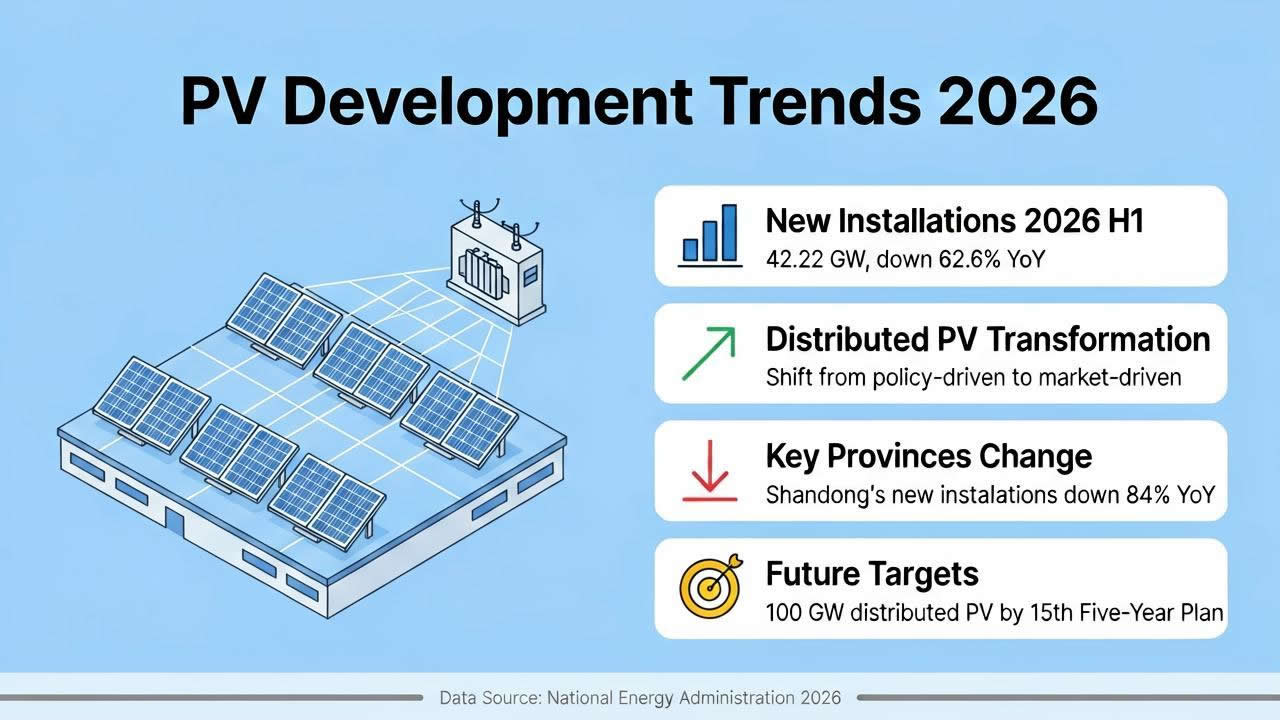
Where Exactly Is the Market Growth?
To be honest, growth isn’t coming from mature regions where over 30% of rooftops are already equipped with PV systems. Real growth comes from three types of “undervalued markets”:
The first category consists of newly built communities in urban-rural fringe areas, where roof structures are standardized and installation efficiency is high;
The second category involves the renovation and replacement cycle for older roofs—many built between 2005 and 2010 are now entering the stage where roof tiles need replacing and structural reinforcement is required, and customers are willing to incorporate solar panels at the same time;
The third category consists of small farms and rural single-family homes, where grid voltage at the end of the line is unstable, making self-generation and self-consumption the most economically viable option. Combined, these three market segments contribute approximately 2.5 to 3 million new residential customers annually. Moreover, they generally prefer turnkey solutions and have clearer expectations regarding the quality of mounting systems, cabling, and monitoring systems, while exhibiting lower price sensitivity than customers in the core suburbs of first- and second-tier cities.
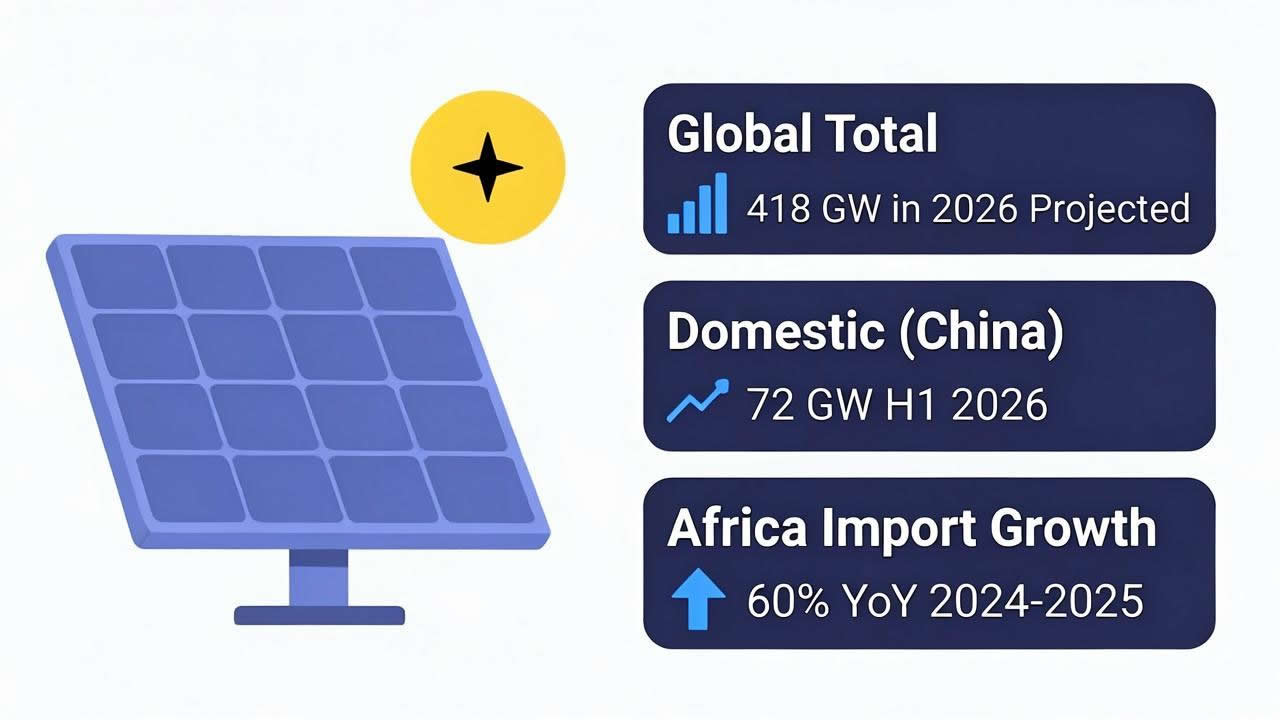
Many people focus entirely on the panels and inverters, while settling for subpar mounting systems. This is the industry’s biggest hidden lesson. Mounting systems account for 15% to 20% of the total BOS (Balance of System) cost, yet they determine whether the system will remain problem-free on the roof for 25 years. Wind loads, snow loads, thermal expansion and contraction, waterproofing joints—if any one of these is miscalculated, a single on-site repair later on can wipe out the entire cost savings from the mounting system.
According to feedback from installers we’ve worked with, after-sales complaints related to mounting systems account for over 30% of all service tickets, far exceeding inverter failures. This is why an increasing number of professional installation teams are specifying Yiteng’s mounting solutions. It’s not because they’re cheap, but because their profile cross-section design, precision of pre-drilled holes, and anti-corrosion treatment can directly reduce on-site installation time by 40%. Furthermore, the mechanical test reports for each batch include actual measurement data—not just a generic statement that they “meet standards.”
For medium-sized installers with an annual installation volume of over 500 systems, switching to Yiteng means, on average, one fewer rework visit per project. The labor costs saved and the time spent handling customer complaints over the course of a year are enough to secure dozens of new orders. Simply put, choosing the right mounting system allows your installation team to finish two hours earlier and reduces customer complaints by two calls—this pays off far more than the few cents difference in module prices.
When broken down by installation location, the main types are as follows:
Roof mouning system: Different solutions are used depending on the roof type. For flat roofs, concrete foundations or counterweights are used without damaging the waterproofing layer; for sloped roofs (tiled roofs), hooks are used to secure the rack to the structural layer without damaging the roof’s waterproofing system; for color-coated steel sheet roofs, specialized clamps are used to grip the corrugations without drilling holes.
Ground Mounting Systems: Used on large open areas, common types include single-post (highly adaptable to terrain), double-post (even load distribution, suitable for flat sites), and single ground-mounted posts (suitable for areas with high groundwater levels or dense vegetation).
Water-Based Mounting Systems: Used in projects such as aquaculture-solar integration, these are divided into floating systems (panels mounted on buoys) and pole-mounted systems (piles driven into the lake bottom).
BIPV (Building-Integrated Photovoltaics): The mounting system itself is an integral part of the building material, serving multiple functions including power generation, shading, and building envelope protection.
Choose the right mounting system for your needs—contact Yiteng.
FAQ
Q1: How many “households” purchase solar systems each year?
Approximately 5 to 6 million residential households globally. When small-scale commercial and industrial projects are included, the total number of systems ranges from 18 to 20 million.
Q2: Is this number growing rapidly?
The annual growth rate for residential households ranges from 8% to 12%—not explosive, but very stable. The real rapid growth is reflected in the capacity per system, which increases by more than 15% annually on average.
Q3: Why can’t we simply divide the total installed capacity by the average capacity to calculate the number of households?
Because large-scale ground-mounted power plants account for a disproportionate share of the total capacity but contribute almost nothing to the number of projects. Calculating them separately yields more accurate results.
Q4: Where do new customers primarily come from?
New residential developments, retrofits of older rooftops, rural farms, and single-family homes at the end of the grid. These three areas account for more than 60% of new residential customers.
Q5: What is the most easily overlooked aspect of the installation business?
Mounting systems. Modules and inverters are the “face” of the system, while mounting systems are the “backbone.” If the backbone isn’t solid, the entire facade will collapse. Yiteng’s attention to detail in mounting systems—particularly in pre-assembly precision and corrosion resistance—can directly help you reduce rework and after-sales service, which translates to pure profit.


